Direct answer: there is no compulsory number. My starting offer for a 24 to 32-page picture book is based on approximately 12 to 15 principal illustrations. A 32-page book does not automatically need 32 separate pictures or 16 fully painted spreads. The right count comes from paginating the manuscript and identifying the moments the artwork must carry.
One picture can cross two facing pages. A single page can hold several small spots. Some pages need more white space so a later reveal lands properly. The cover and any specially illustrated endpapers are separate parts of the plan.
Counting pages is easy. Counting the visual decisions in the story is the part that matters.
First, use the terms consistently
Authors, illustrators and designers can accidentally use the word “page” to mean different things. A short vocabulary check prevents a surprising number of quotation errors.
| Term | Meaning | Illustration count |
|---|---|---|
| Page | One side of a leaf | It may or may not contain art |
| Double-page spread | Two facing pages seen together | Often one composition across both pages |
| Full-page illustration | Artwork designed for one whole page | One illustration |
| Spot illustration | A smaller, self-contained image sharing the page with text or open space | One item when separately drawn and supplied |
| Cover | The exterior design, sometimes including spine and back | Separate from the interior image plan |
| Endpapers | Sheets connecting the cover to the book block | Separate artwork if they carry an original design |
A spread is therefore not “two illustrations” simply because it uses two pages. Three separate spots on one page, however, can be three pieces of artwork.
This is why a quote should list image types. “Fifteen illustrations” is not yet a clear scope if nobody knows whether those fifteen items are detailed spreads or small character moments.
What 32 pages actually give you
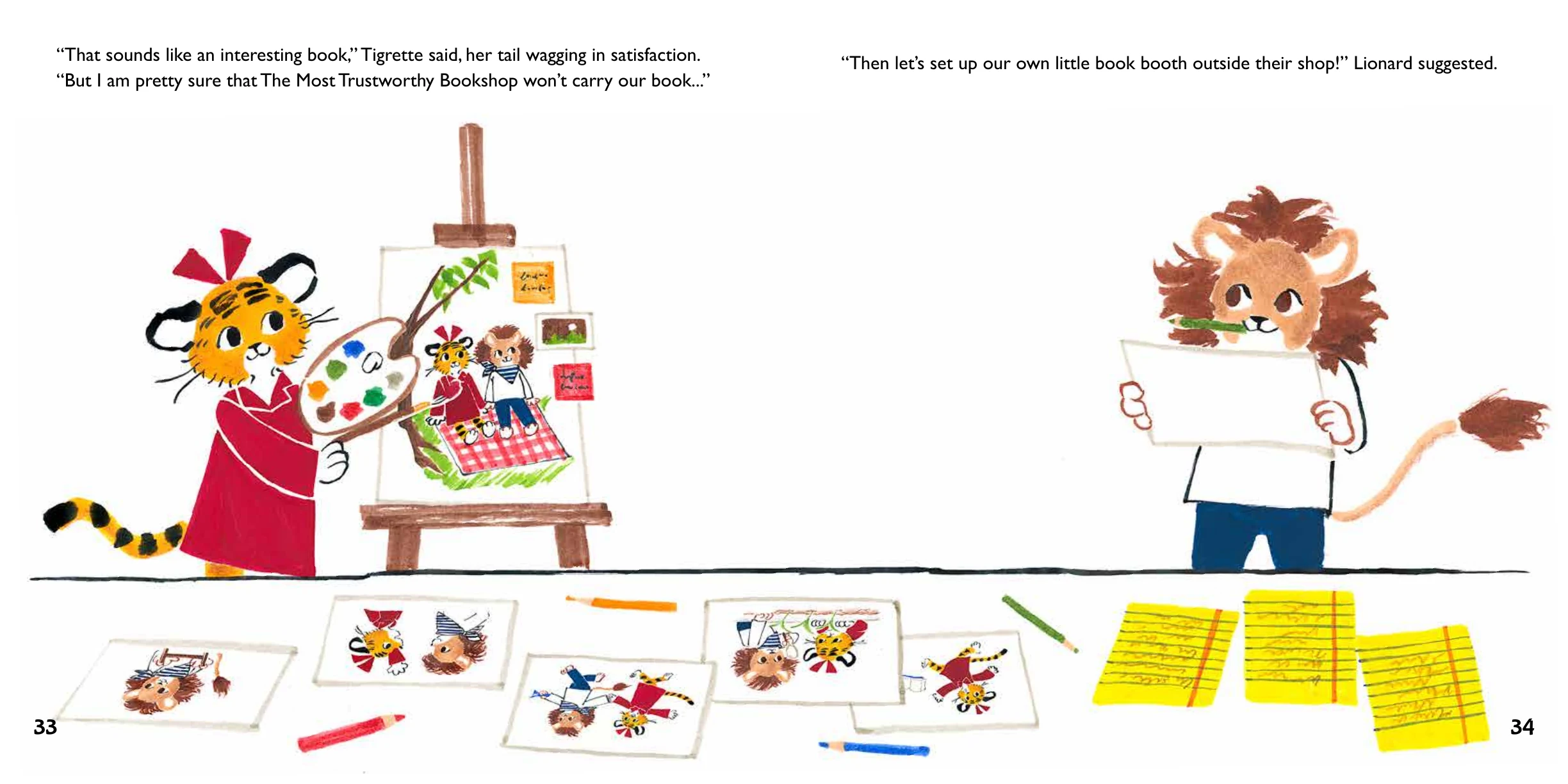
Thirty-two interior pages can be represented as sixteen pairs on a flat planning sheet. Once bound, the first and final interior pages usually sit alone, while pages 2–3, 4–5 and the following pairs form the facing spreads the reader sees. The cover sits outside that count.
The Association of Illustrators describes a typical children’s picture book as a series of double-page spreads plus a cover. That is useful industry context, not a rule that forces every page pair to become a full illustration.
The interior may need room for a title, copyright information, a dedication or back matter. What occupies those pages depends on the book and its publishing route. Production specifications also vary. Amazon KDP’s official paperback guidance, for example, sets a minimum of 24 pages and provides its own bleed calculations. A 32-page structure is common, but it is not the only physically possible book.
The reliable way to calculate the image count
Stabilise the manuscript
Illustration planning is vulnerable to structural edits. Moving or removing one scene can change every later page turn. A finished manuscript is the safest starting point.
I can consider a text that is roughly 80 per cent complete when the outstanding work is tightly scheduled. “Still evolving” is not enough. The remaining decisions need owners and dates.
Make a thumbnail map
A thumbnail map, often called a dummy or page plan, shows the whole book at a glance. Each page has a small box. Text, front matter and story beats are placed before anyone commits to detailed final art.
The map exposes rushed passages and unnecessary repetition. It also shows where a location changes, where a character enters and where the reader needs to turn the page before seeing the answer.
Find the moments that belong to the pictures
The artwork should not merely repeat every sentence. It can show a silent reaction, establish the room, reveal an inconsistency or let the reader know something the narrator has missed.
Those are visual beats. Some need a large scene. Others need only a small gesture. A passage may work better with no new picture at all if the previous image is meant to linger.
Assign an image format to each beat
Only now should the plan label full pages, spreads, half pages and spots. The format follows the narrative job.
A crowded celebration might need the width of a spread. A private exchange can sit on one page with open space. A repeated object may become a small spot that marks progress through the story.
Check the sequence, not just each drawing
Character size, clothing, props, light and direction of travel need to remain coherent. A character who walks out of the right side of one scene cannot casually re-enter from the wrong direction if the geography matters.
The storyboard is where those issues are solved. Continuity is part of the commission even when the final line looks loose and uncomplicated.
Is 12 to 15 illustrations enough?
It can be. That figure describes the approximate image programme behind my starting offer for a 24 to 32-page picture book. It is not an industry formula.
One project might use a mixture of principal scenes and smaller transitions, leaving text-led space between them. Another story might be intentionally dense and require an image on nearly every page. The second is a larger illustration programme even when the finished book has the same number of pages.
And twelve elaborate spreads do not represent the same scope as eight main scenes plus four simple spots. The image map must identify both count and category before the quotation is final.
What budget should you allow for picture-book illustration?
Two books, two deliberately dense programmes

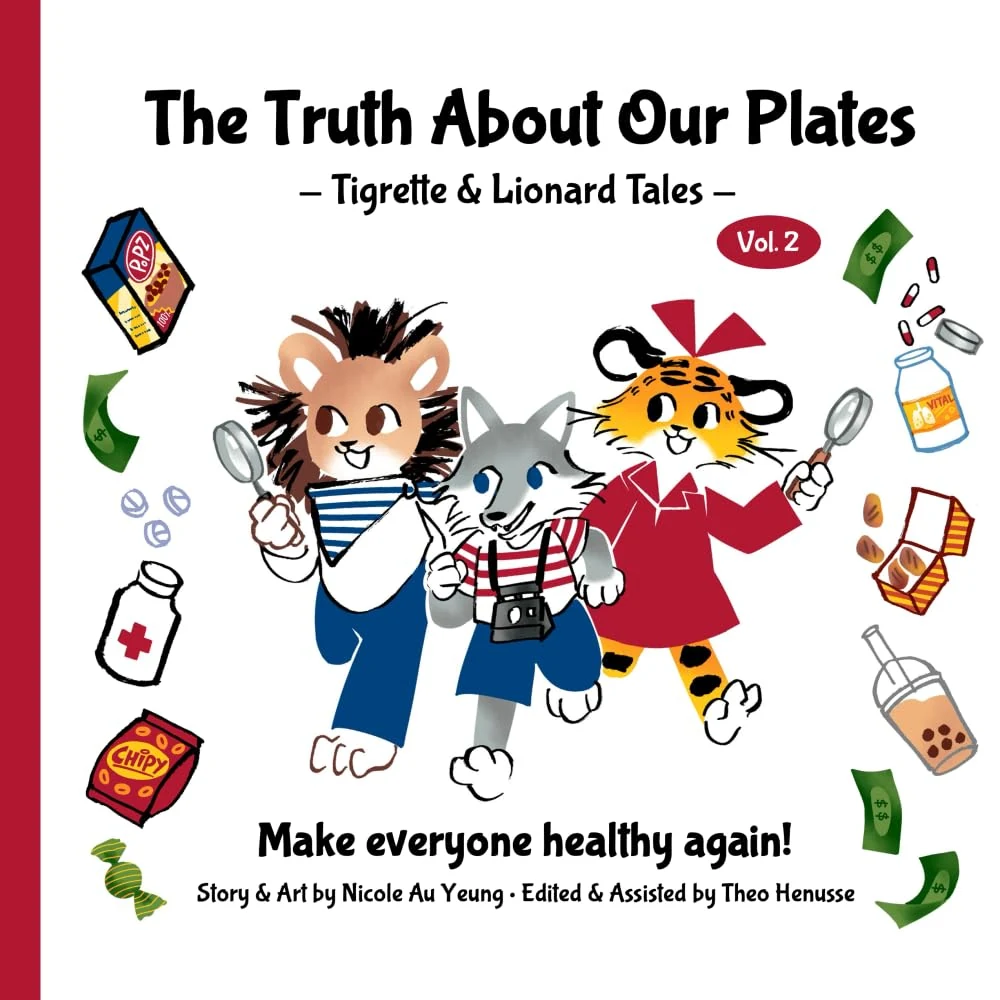
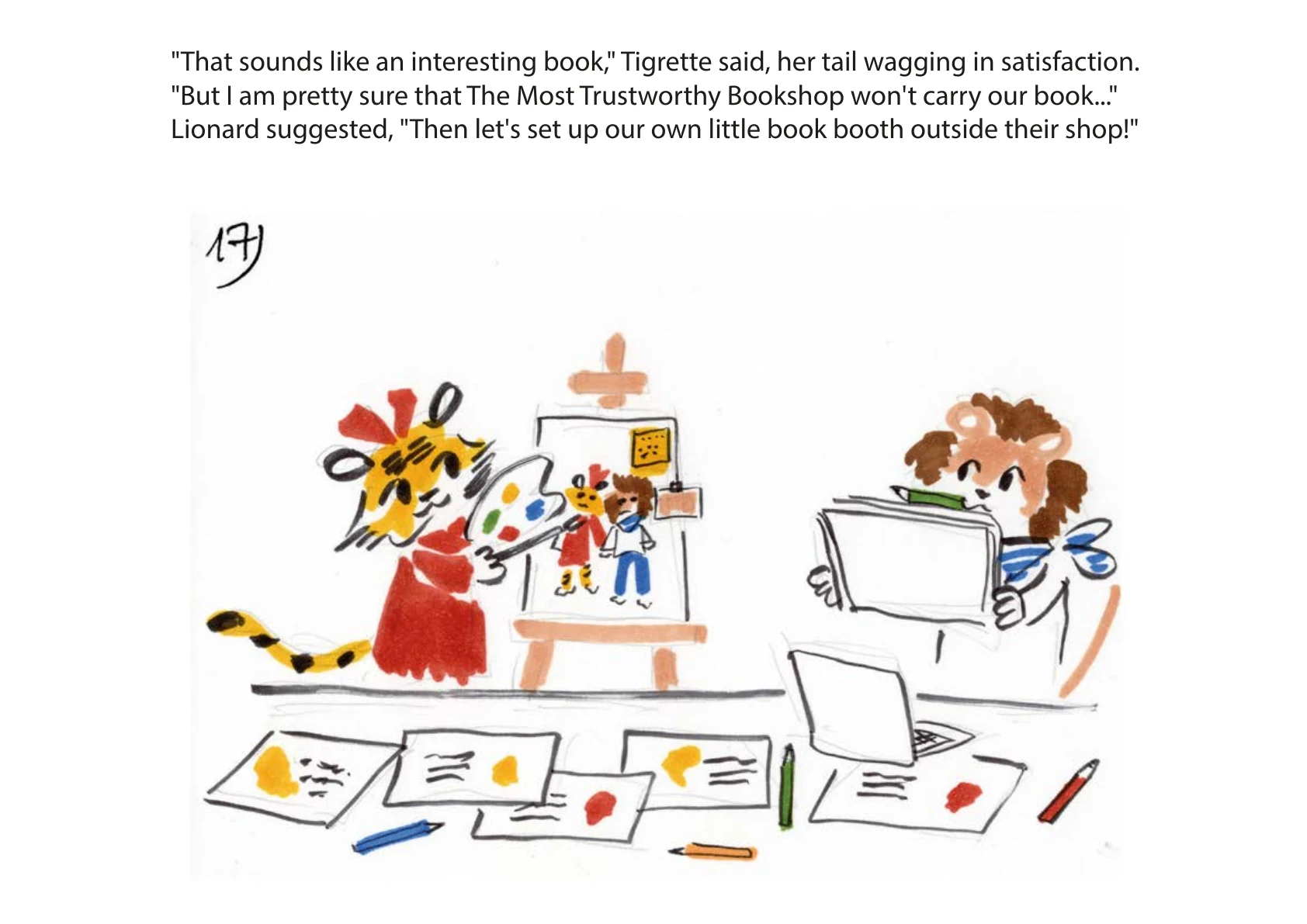
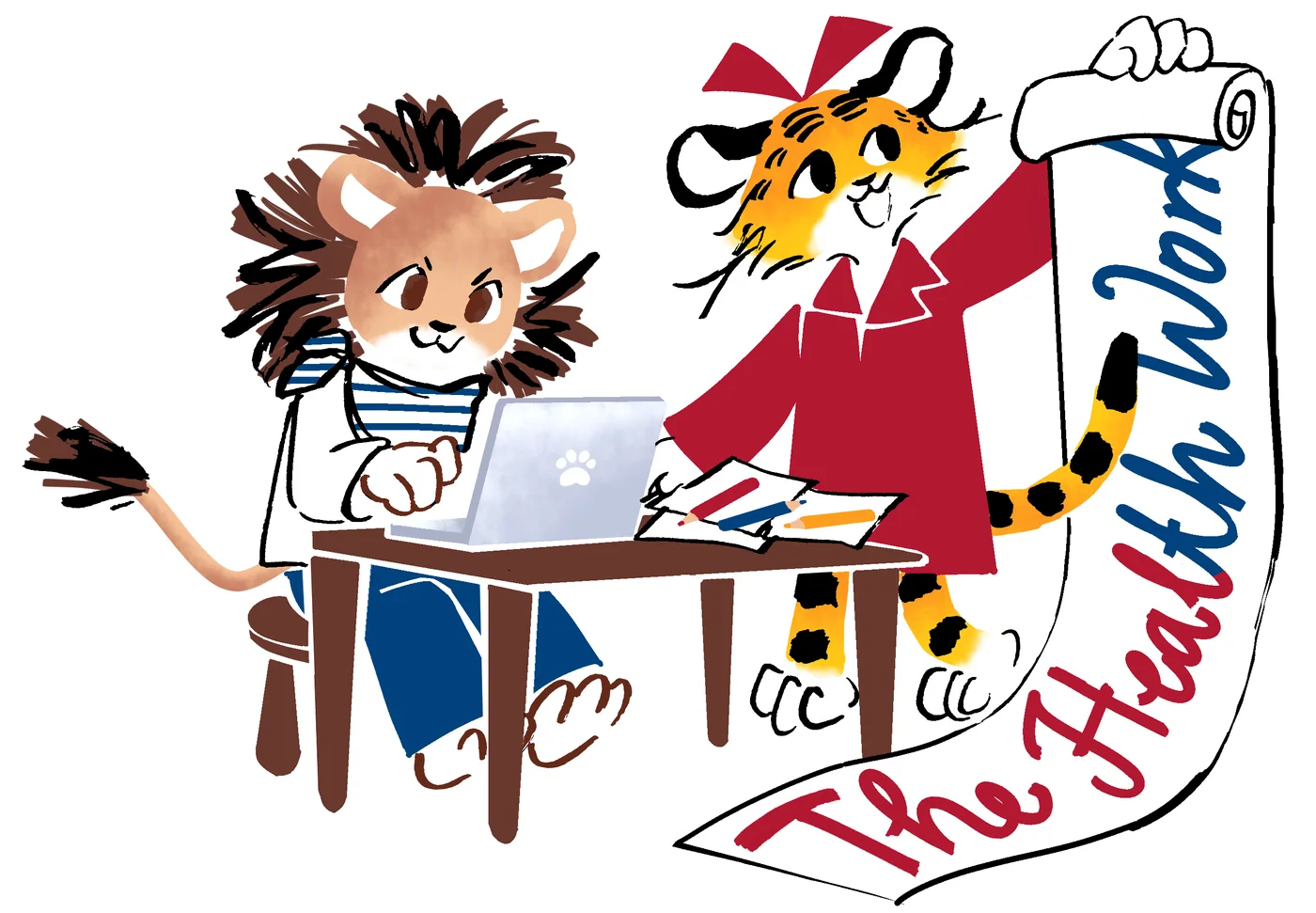
My first published book, Our Species Appropriate Diet: Tiger’s Mystery in Lionland, has 48 pages and 48 illustrations. The Truth About Our Plates: Tigrette & Lionard Tales has 51 pages and more than 51 illustrations, including both large scenes and smaller elements.
Those books contain more artwork than the 12 to 15-image programme used for my current starting price. They should not be read as a template for every commission. They are useful evidence of something else: page count and illustration count can be close, far apart or organised at several scales.
The first book moved from a rough storyboard through final drawing, colour, text placement and print preparation. The art count became meaningful because every scene had a place in the sequence.
Should the author include art notes?
Include a note when the picture must communicate essential information that the words deliberately omit. A hidden object, an unreliable narrator or a final visual reversal may depend on such a note.
There is no need to prescribe every facial expression, camera angle or colour. Interpreting the story visually is part of the illustrator’s contribution. Excessive directions can close off stronger solutions before the storyboard has even begun.
A readable manuscript with a few necessary art notes is usually more useful than a script that tries to pre-draw every page in words.
Frequently asked questions
Does a 32-page picture book always have 16 spreads?
It can be represented as sixteen page pairs in a flat plan, but the bound book has single opening and closing interior pages as well as facing spreads. Some pages may carry title or copyright information. The cover is separate. None of this means the book must contain sixteen large spread illustrations.
Is a double-page spread one illustration or two?
It is normally one composition designed across two facing pages. The gutter and trim still affect the design, so it can be more demanding than a single-page picture.
Is the cover included in the 12 to 15 illustrations?
Not by default in my published starting offer. A cover-only commission starts at €900. A full-book quotation states whether the cover is included alongside the interior artwork.
Do spots count as illustrations?
Yes, when they are original elements drawn and supplied separately. They may be simpler than a full scene, but they still need to be briefed, created, checked and placed.
Should every page contain a new picture?
No. Text-led space and visual pauses can strengthen pacing. The aim is to support the reading experience, not to fill every available surface.
When does the illustration count become final?
After the first stable pagination and approval of the storyboard. Before that, it is an estimate. A later structural rewrite may change the scope.
Can I approach an illustrator without paginating the text myself?
Yes. A stable manuscript and intended format are enough for an initial assessment. Building the page plan is part of turning the text into a visual sequence.
Turn the manuscript into a visual plan
Send the manuscript, intended readership, proposed format, schedule and budget. I can assess whether the story calls for a focused group of key scenes or a denser illustration programme, then propose the appropriate storyboard stage.
Introduce a book project
See my books and narrative sequences