
The short answer
A useful editorial illustration brief includes the text or its context, the audience, the job the image must do, its position, dimensions, reproduction constraints, timetable and final approver. It separates requirements from areas that remain open to interpretation. Before drawing begins, the illustrator should also confirm the review stages and the technical destination of the file.
“Publication-ready” is not one universal format. A web article, cover, printed brochure and full-bleed page require different files. Specifications from the publisher, printer or platform should therefore be available before final delivery.
ASSET: itadakimasu-editorial
Why is the text alone not enough?
Two images may accompany the same text while performing different jobs. One explains information. Another establishes atmosphere. A third introduces a point of view or gives the reader a pause in a dense page. If that role is unnamed, the illustrator has to guess what a successful response means.
The brief does not need to solve the composition. That is part of the illustration work. It should, however, state the problem clearly enough for visual investigation. For an editorial commission, I want to know what readers already understand, what they should notice and what the image can add without repeating the copy literally.
Seven things to put in the brief
1. The content and its status
Supply the complete text when possible. If it is still changing, mark what has been approved and what remains fluid. For a long project, a synopsis, contents list and relevant passage provide a starting point, but final copy will be needed before precise layout adjustments.
2. The reader
State the age group, language, familiarity with the subject and reading context. An image for children, industry specialists or a general audience cannot assume the same knowledge.
3. The image’s purpose
Write one plain sentence: explain a sequence, make a concept memorable, open an article, form a cover, stage a situation or pace a double-page spread. That sentence gives everyone a way to assess sketches. It is more useful than asking the image simply to make the page “prettier”.
4. Position and dimensions
Give the finished format, orientation, display or print size, text areas, possible crops and intended position. If a composition crosses a spread, show the fold, margins and protected areas.
5. Relevant visual constraints
Provide the brand guidance, fixed colours and mandatory elements. Separate requirements from preferences. References can communicate density, period or feeling, but should not be used to request a copy of another person’s style.
6. The decision route
Name the person who consolidates feedback. Give the dates needed for sketch, developed artwork and delivery. If several people approve the work, combine their comments before sending them. Contradictory corrections mainly consume decision time.
7. The final destination
Identify the website, layout software, printer, publisher or platform that will receive the artwork. Obtain its specifications for dimensions, bleed, resolution, colour profile, format, maximum file size and transparency where relevant. “High resolution” on its own is not a complete specification.
What should be confirmed before the first drawing?
After reading the brief, I restate the visual objective and constraints. This is the moment to identify missing information, an undecided format or a conflict between the copy and available space. A short confirmation can prevent a strong image from being developed for the wrong placement.
The proposal or project agreement should define scope, stages shown, approvals, deliverables and agreed use. The number of directions or revisions should not be inferred from a general custom. It belongs in the written project scope.
Editable source files are neither automatically included nor automatically excluded. If a commissioner, designer or publisher needs to work inside the source file, that requirement should be stated at the beginning.
What do sketches and review stages achieve?
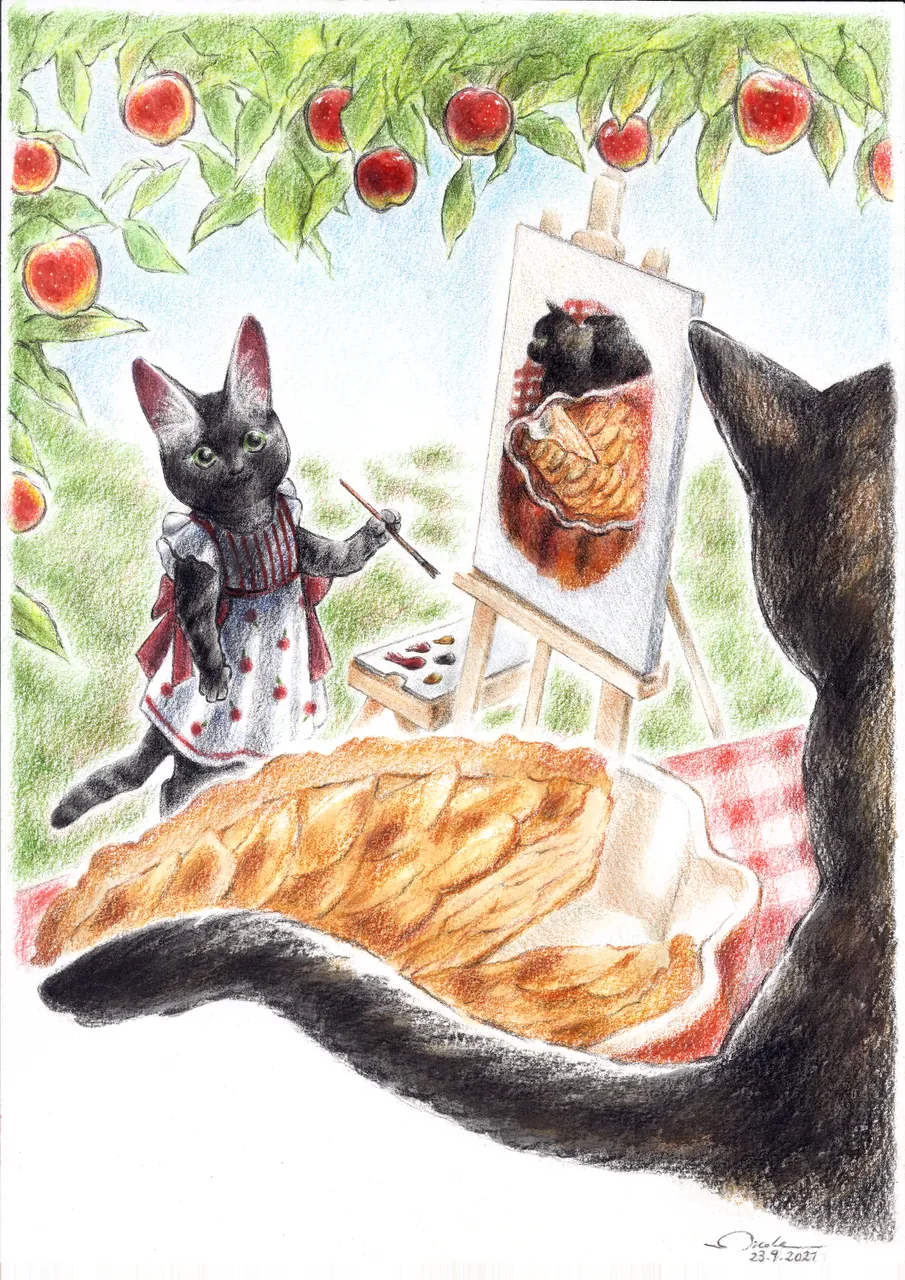
The sketch is the economical point for decisions about viewpoint, hierarchy, pose, title space and relationships between elements. Approval at this stage should concern idea and composition before finish.
Developed artwork then tests line, colour, value and readability at the intended size. A final check puts the image back into its real context. The question is not only “is this a good image?” but “does it do the job defined for this page?”.
ASSET: trevor-editorial
Publication-ready means ready for a named destination
Obtain the supplier’s template and instructions before preparing final artwork. Bleed, safe areas, page dimensions and colour handling depend on the process. The requested ICC profile should come from the production chain rather than an assumption. The International Color Consortium’s registry is the official reference point for registered ICC profiles (ICC, Profile Registry).
Platforms have their own rules. For example, Kindle Direct Publishing treats the interior manuscript and cover of a printed book as separate file submissions (KDP, Paperback Submission Guidelines). KDP also requires a PDF when an interior uses bleed (KDP, Save Your Manuscript File). Those are platform-specific examples, not complete instructions for every printer.
Digital publication
Define the actual display size, useful screen densities, file-size limit, format and responsive crops. A very wide hero image has different requirements from a thumbnail or an illustration inside an article.
Prepare alternative text when an image conveys information. The W3C’s official tutorial says the text alternative for an informative image should convey its essential information (W3C WAI, Images Tutorial). Alternative text is not a list of search terms. It is for the reader who does not see the image.
A final-file checklist that has a purpose
Before delivery, check together:
- the destination and current template version;
- finished dimensions and bleed where required;
- space for copy, folds or interface elements;
- the colour mode or profile requested by the recipient;
- file format, transparency and compression;
- file naming and number of variants;
- alternative text for informative online images;
- who will check the artwork inside the final page or proof.
A delivery may contain several versions when several destinations have been agreed. It need not contain every imaginable format. Each supplied file should have a named use.
ASSET: foodbuster-sequence
Example: when illustration organises information too
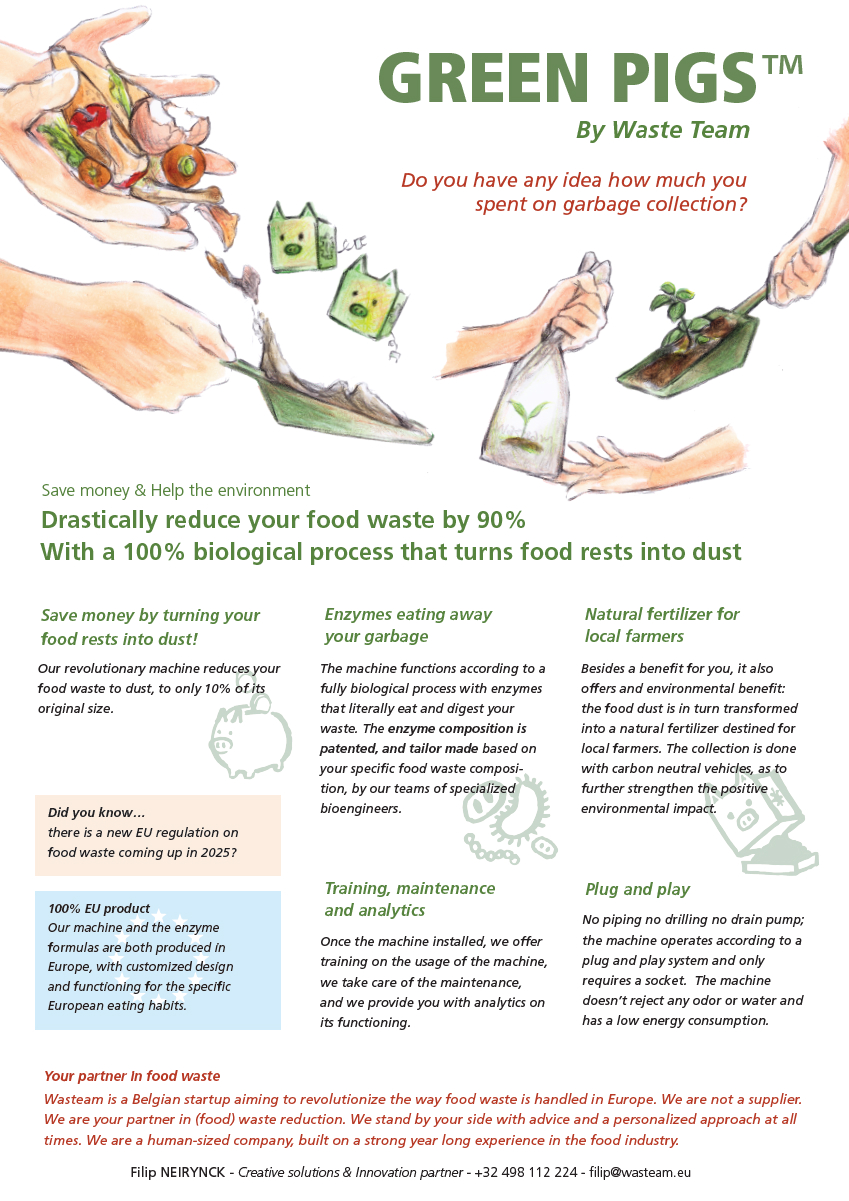
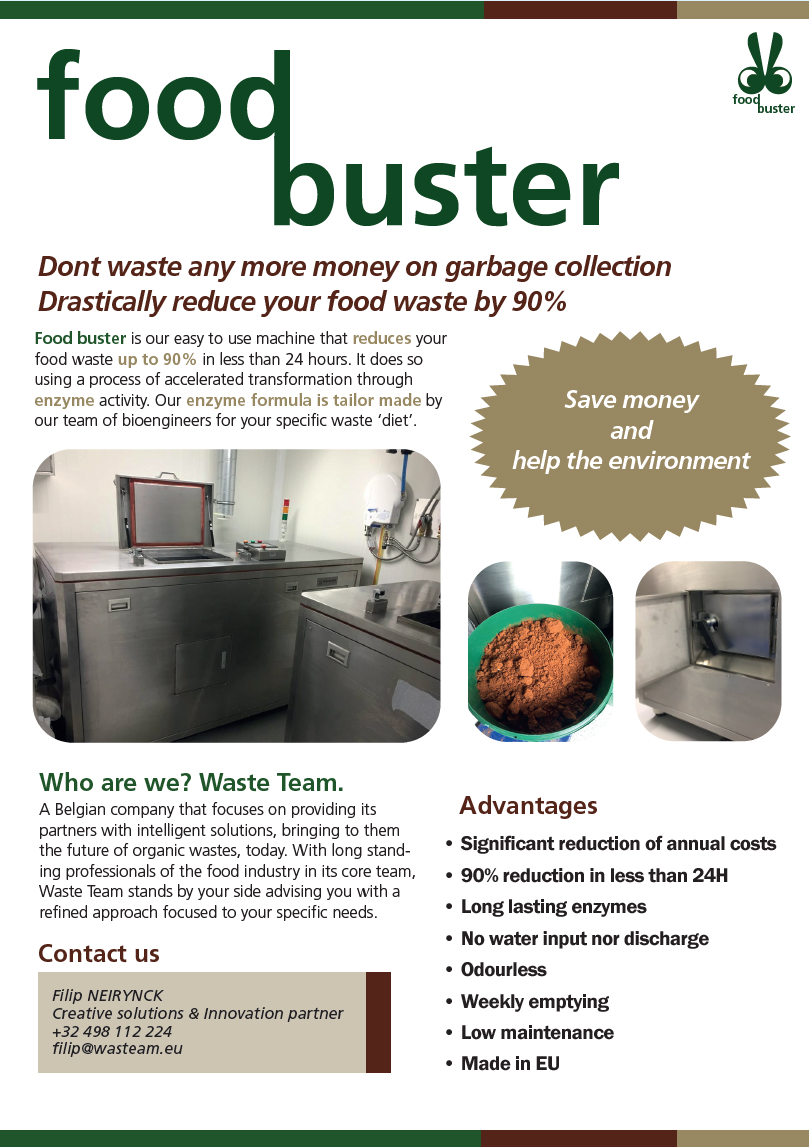
The Foodbuster pages show characters, objects, panels and drawn sequences sharing the same space. They are confirmed examples from my portfolio. They demonstrate why a brief must identify the relationship between image and copy, particularly when an illustration is not confined to one isolated rectangle.
I do not present these pages as a standard deliverable for every commission. A single image, a series and a composition integrated into a page have different scopes. The proposal should say which one is required.
ASSET: foodbuster-page
What should you send for an estimate?
Send the text or synopsis, audience, purpose of the image, likely image count, format and publication date. Include any specifications already supplied and a provisional layout if one exists. If the format is undecided, say so. The first step can then identify which production decisions must be obtained.
The Illustration service page sets out ways to work together. My Method explains the stages, and the editorial selection shows further artwork in context.
Frequently asked questions
Must the text be completely final before asking for an estimate?
Not necessarily. A synopsis, length, likely image count and timetable may be enough to begin defining scope. The copy must become stable before decisions that depend on its exact length and layout.
What exactly is a publication-ready file?
It is a file prepared to the requirements of an identified destination: dimensions, format, colour, bleed, transparency or compression as specified. Without the destination and its requirements, the phrase is incomplete.
Can an illustrator prepare one version for print and another for the web?
Yes, when both uses are included in the scope. The necessary sizes, formats, colours and crops should be listed among the deliverables.
How many revisions are included?
The number of review points and revisions should be stated in the proposal. Each review should also address the right decision: composition at sketch stage, followed by colour and finish in developed artwork.
What should I send with an initial enquiry?
Send the text or synopsis, audience, purpose, likely number and format of images, date, available layout, known technical constraints and the name of the final approver.
Prepare an illustration that arrives in the right place
I can examine the text, clarify the job of the image and define a scope that connects the first sketch to the files agreed for publication.
A single editorial illustration starts from €250. A series of six starts from €1,800. The proposal then defines usage, level of detail, review points and final files.
References
- International Color Consortium, ICC Profile Registry.
- Kindle Direct Publishing, Paperback Submission Guidelines and Save Your Manuscript File.
- World Wide Web Consortium, Web Accessibility Initiative, Images Tutorial.